Garden design and build in Fulham
If you are looking for garden design and build in Fulham, you are probably trying to turn an outdoor space into something that works properly for real everyday living. In this part of West London, gardens often have to do a lot: provide a calm retreat after a busy day, create a sociable space for family and friends, improve kerb appeal, and make the most of a plot that may be narrow, shaded, overlooked, or awkwardly laid out. A well-planned garden should feel beautiful, but it should also be practical, durable, and suited to the way you actually use it.
Fulham properties come in many forms, from elegant terraced houses and Victorian conversions to modern apartments, mews-style homes, maisonettes, and mixed-use commercial premises. Each one brings different opportunities and challenges. Some gardens need better drainage and smarter planting. Others need complete reconfiguration, stronger levels, better access, and a layout that creates more usable space. A local garden design and build service can help you move from a vague idea to a finished outdoor space that feels intentional from day one.
Whether you want a low-maintenance family garden, a sleek courtyard, a planted haven, or an outdoor entertaining area that suits a busy Fulham lifestyle, the right team can make the process smoother from the first sketch to the final planting. Contact us today if you are ready to explore ideas for your garden and want a practical approach that suits your home, budget, and timeline.
Why garden design matters in Fulham homes

Good garden design is not just about choosing attractive materials. It is about understanding how your outdoor space behaves through the seasons and how it can support daily life. In Fulham, many gardens are compact or partially shaded by surrounding buildings and mature trees. Some are overlooked by neighbouring properties, while others sit behind basements, extensions, or raised internal floors, which can create level changes that need careful handling. A considered design helps bring order to these constraints.
A thoughtful layout can make a small garden feel more generous, and a larger one feel more cohesive. Features such as seating areas, paths, planting zones, storage, lighting, and screening all need to work together. If the design is rushed, you may end up with wasted corners, poor circulation, muddy lawn edges, or planting that looks good for only part of the year. When a garden is designed properly, every element has a purpose.
Fulham residents often want outdoor spaces that are stylish but not high-maintenance. That might mean durable surfaces, structured planting, hidden bin storage, or a lawn alternative that stays attractive without demanding constant upkeep. For commercial clients, such as restaurants, offices, or hospitality venues, the design also needs to support customer flow, brand image, and practical maintenance. In both cases, the aim is the same: a space that looks good and works hard.
Our approach to garden design and build in Fulham
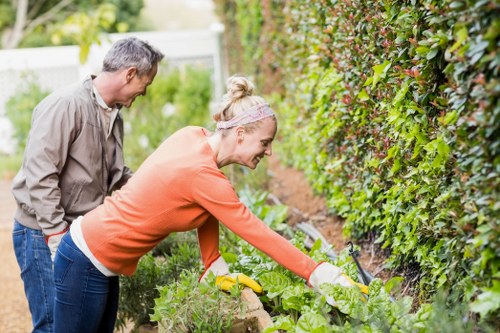
Every project starts with understanding how you want to use the garden. Some clients want a quiet place to unwind with a cup of tea. Others need a child-friendly space, an area for outdoor dining, a pet-friendly layout, or a garden that feels bigger and brighter. We start by looking at the site itself: size, orientation, drainage, existing levels, access routes, and the condition of current surfaces or planting.
Garden design and build in Fulham works best when design and construction are coordinated from the outset. That means the proposed layout, materials, drainage strategy, planting style, lighting, and structural features are all considered together rather than one being added later as an afterthought. This approach helps reduce delays, avoids costly changes during the build, and makes the finished result feel coherent.
We also consider the character of the local area. Fulham gardens often sit within streets where privacy, visual balance, and noise reduction matter. A good scheme might include layered planting, trellising, trees, or screens to soften boundaries without making the space feel enclosed. In other cases, a cleaner architectural style with crisp lines and restrained planting may suit the property better. The right choice depends on the home, the surroundings, and your personal taste.
What a local team can help with
A local Fulham team is useful because it understands the practical realities of working in densely built residential streets and mixed-use neighbourhoods. Access can be tight, parking can be limited, and materials often need to be brought through narrow side returns, shared entrances, or basement access points. A team familiar with these constraints can plan deliveries, protect interiors, and keep disruption to a minimum.
Services included in a garden design and build project

A full garden design and build service can be tailored to your space and the level of work required. Some gardens need a simple refresh, while others need a complete transformation. Common elements may include hard landscaping, planting design, turfing, decking, paving, boundary treatments, lighting, irrigation, and bespoke features. The aim is to create a finished garden that feels complete, not pieced together over time.
Typical services may include:
- Initial site review and ideas discussion
- Concept planning and layout proposals
- Material selection for paving, decking, walls, and edging
- Drainage improvements and ground preparation
- Construction of paths, patios, terraces, and retaining features
- Soft landscaping, soil improvement, turfing, and planting
- Garden lighting, screening, and practical storage solutions
- Finishing touches such as decorative gravel, planters, or raised beds
For some clients, the focus is on outdoor living and entertaining. That may mean a dining terrace, built-in seating, or a fire pit area where appropriate. For others, the priority is a lush planted garden that feels green and restful throughout the year. Many Fulham customers are also looking for low-maintenance solutions that are easy to keep tidy while still feeling elegant.
We can also support landlords, managing agents, and local businesses that need outdoor areas improved for presentation, durability, and usability. A commercial courtyard, for example, may need robust materials and a simple planting palette that remains attractive with limited maintenance.
Designing for Fulham property types and lifestyles

Fulham has a distinctive mix of property types, and each one asks for a different design response. A Victorian terrace may have a long, narrow rear garden where flow and proportion matter more than size. A flat with a courtyard or terrace may need compact planting, privacy screening, and clever use of vertical space. A modern family home may benefit from large-format paving, a central lawn, and generous planting that softens sharp architectural lines.
In streets near Parsons Green, Bishops Park, Sands End, and the areas around Fulham Broadway, many outdoor spaces are overlooked or constrained by surrounding buildings. This makes privacy a priority for some homeowners. In those cases, a mix of evergreen structure, climbing plants, and carefully placed screening can make a huge difference without blocking light. In busier locations, a quieter and more enclosed design may help create a real sense of retreat.
For households with children, outdoor space often needs a balance between aesthetics and practicality. Durable surfaces, safe circulation routes, and flexible lawn or play zones can be integrated into a design without making the garden look overly functional. For clients who enjoy entertaining, the garden may be planned around seating, serving areas, and easy movement between the home and terrace. The best layouts support how you live now while allowing the garden to mature beautifully over time.
Residential and commercial outdoor spaces
We work with both residential and commercial customers in and around Fulham. Residential projects might involve family gardens, roof terraces, front gardens, or basement courtyards. Commercial outdoor spaces can include hospitality seating, office courtyards, communal gardens, or landscaped entrances. In either setting, durability, clear access, and tidy finishing are important.
How the process works
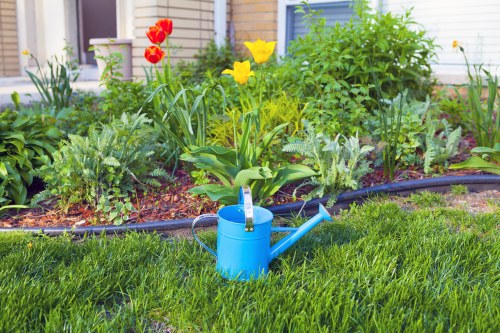
A clear process helps keep your project organised and reduces stress. While each project is different, a typical garden design and build journey in Fulham often follows a simple structure. First, we discuss your ideas, priorities, and any issues with the current garden. That might include poor drainage, lack of privacy, tired paving, patchy lawn areas, or a layout that simply does not suit your household.
Next comes the design stage. This is where the overall layout is shaped. You may be shown options for zoning, levels, materials, and planting style. If you are unsure what you want, this stage is especially useful because it turns broad preferences into a practical plan. You can see how different elements work together before the build begins.
Once the design is agreed, the build phase begins. This may involve clearing the site, removing old hard landscaping, preparing the ground, improving drainage, setting levels, and constructing the new features. Depending on the scale of the project, this may include patios, paths, decking, walls, steps, screens, pergolas, planters, and planting installation. The final stage is the finishing work, where detail matters: edging, lighting, planting structure, and final tidying all help the space feel complete.
What to expect during the build
During the work, clear communication is important. A well-managed project should keep you informed about access requirements, delivery timings, and any changes caused by site conditions. Older gardens sometimes reveal hidden issues such as poor drainage, unstable sub-base material, or previous construction that needs correcting. Addressing these properly is vital for long-term performance.
Practical details that matter in Fulham
Local conditions can affect both planning and construction. In Fulham, access can be a major factor. Narrow front paths, side access limitations, basement entrances, and shared routes can all affect how materials are moved in and out. Parking restrictions and congestion can also influence delivery planning. A team with local experience will factor this into the schedule, which helps avoid unnecessary disruption.
Drainage is another key issue. West London gardens can be affected by compacted soil, old hard standings, and changes in ground level. If water has nowhere to go, it can pool on patios or saturate planting beds. Careful site preparation, suitable sub-bases, permeable materials where appropriate, and sensible level changes all help reduce future problems. When a garden is built well from the start, it is more resilient in wet weather and easier to maintain.
Another important consideration is sunlight. Many Fulham gardens are partially shaded by neighbouring buildings, fences, or mature planting. This does not mean the space cannot be beautiful; it simply means the planting scheme should be chosen with light conditions in mind. Shade-tolerant plants, evergreen structure, and layered textures can create a rich garden without forcing unsuitable species into a difficult spot. A local design team can help you make realistic choices that suit the site rather than fighting it.
Materials that suit local homes
Choosing the right materials is a big part of creating a garden that feels at home in Fulham. Natural stone, porcelain paving, timber decking, composite decking, gravel, brickwork, and rendered features each have their place. The right material depends on the style of property, desired maintenance level, and how the space will be used. A terrace used for dining may need a hard-wearing surface, while a relaxed planted garden may benefit from softer, more natural finishes.
Benefits of choosing a local Fulham garden company
Working with a local team offers practical advantages. A company that regularly works in Fulham understands the neighbourhood feel, the local property mix, and the types of access challenges that can slow a project down. That local knowledge can help with scheduling, site protection, and material handling. It also tends to make communication more straightforward, especially if you want a team that can respond efficiently during the project.
There is also value in choosing a team that appreciates how outdoor spaces are used in this part of London. Many Fulham clients want a garden that feels private and polished but not overdesigned. They want something that fits with the character of the home and the street without feeling generic. A local company is more likely to understand those expectations and design accordingly.
Why choose a local company?
- Better understanding of local property layouts and site constraints
- More practical planning for deliveries and access
- Design ideas that suit Fulham homes and lifestyles
- Clearer coordination between design and construction
- Support for both domestic and commercial outdoor areas
If you are comparing options, look for a team that listens carefully, explains the process clearly, and offers suggestions based on how you plan to use the garden. A good result is not about adding as many features as possible. It is about creating the right balance of structure, planting, and functionality for your space.
What influences pricing and project scope
Garden project costs vary because no two spaces are the same. The size of the garden is only one factor. Access, existing site conditions, drainage needs, material choices, and the amount of preparation required all affect the final scope. A simple refresh may involve relatively straightforward improvements, while a full transformation can include demolition, groundworks, construction, planting, and detailed finishing work.
Common pricing factors include:
- The overall size and shape of the space
- Whether old paving, decking, or structures need removing
- The amount of ground preparation or levelling required
- Drainage and water management needs
- Choice of materials and finish quality
- Complexity of planting, lighting, and built features
- Access limitations and site logistics
Because of these variables, a proper site assessment is important before any meaningful proposal is made. It helps establish what is possible, what is needed, and where the priorities should sit. If you have a budget in mind, it is often sensible to discuss that early so the design can be shaped around the features that matter most to you. A staged approach can also be considered if you prefer to complete the project in phases.
Balancing budget and long-term value
The cheapest option is not always the best value if it fails early or creates maintenance problems. Well-built patios, proper drainage, strong edging, and healthy planting choices tend to save money over time by reducing repairs and replacements. A garden should feel like a worthwhile improvement to your home, not a temporary fix.
Preparation checklist before your garden project starts
If you are planning a garden redesign in Fulham, a little preparation can help the project run smoothly. You do not need to have everything decided, but it is useful to think about how you want the space to function. The more clearly you can explain your needs, the easier it is to shape a design that suits you.
Here is a simple checklist to consider:
- Think about how you want to use the garden day to day
- List any must-have features, such as seating, storage, or planting areas
- Consider whether you want low maintenance or more seasonal interest
- Note any drainage issues, dark corners, or privacy concerns
- Gather photos of gardens you like for style reference
- Decide whether you want a full redesign or a phased project
- Check any access restrictions, parking issues, or building work nearby
It is also helpful to think about the relationship between the indoor and outdoor space. In many Fulham homes, the garden is visible from the kitchen or living room, so the view from inside matters as much as the experience outside. Thoughtful planting, clean lines, and good materials can make the garden feel connected to the home throughout the year.
Book your service now if you are ready to move forward and want a team that can help turn ideas into a practical plan for your space.
Ideas for different types of Fulham gardens
Some gardens call for bold changes, while others benefit from a lighter touch. The right design will depend on the space you have and the atmosphere you want to create. A small courtyard might be transformed with vertical planting, pale paving, and carefully chosen pots. A long rear garden might be divided into zones to make it feel more useful. A family garden could blend a lawn with robust planting and a dining terrace. A smart front garden might focus on kerb appeal, privacy, and easy upkeep.
For example, a narrow terrace garden often works well with a strong central path, mirrored planting, and a layout that draws the eye towards the end of the space. A shaded garden may benefit from textural planting, climbing greenery, and lighter surfaces to improve brightness. A more contemporary property could suit architectural planting, clean edging, and structured repetition. The key is to work with the garden, not against it.
For commercial spaces, the priorities may be different again. Restaurants may want attractive but durable planters, practical access, and seating that feels inviting. Offices may prefer calm, professional planting with simple upkeep. Mixed-use buildings often need a design that is robust, neat, and easy for facilities teams to manage. A tailored garden design and build service can adapt to all of these needs.
Seasonal thinking
Good gardens should not only look appealing in summer. They should have structure in winter, texture in spring, and colour across the growing season. Using evergreen planting, layered perennials, shrubs, and carefully chosen focal points helps maintain interest even when flowers are not at their peak.
Areas covered around Fulham
Local garden design and build projects are often carried out across Fulham and nearby West London neighbourhoods. This includes areas around Parsons Green, Fulham Broadway, Sands End, Eel Brook Common, and the streets surrounding Bishops Park. Work may also extend to nearby locations such as Chelsea, Hammersmith, Putney, Wandsworth, and other surrounding parts of South West London, depending on the project.
Whether you are improving a private rear garden, a front garden, a terrace, or an outdoor communal area, it helps to work with a team that understands the local environment and can plan efficiently around it. That familiarity often makes the process less stressful and more effective from start to finish.
Frequently asked questions
How long does a garden design and build project take?
Timeframes vary depending on the size of the garden, the amount of construction involved, and the complexity of planting and finishing. Smaller projects may move quickly, while full redesigns with structural work and detailed landscaping take longer. A proper assessment will help give you a realistic schedule.
Can you work with a small garden?
Yes. Many of the most successful Fulham gardens are compact spaces where thoughtful design makes a huge difference. Clever layout planning, space-saving planting, and well-chosen materials can make a small garden feel more open and useful.
Do I need a full redesign?
Not always. Some gardens only need targeted improvements such as new paving, better planting, or privacy screening. Others benefit from a complete rebuild. The best approach depends on the current condition of the garden and what you want it to do.
What if my garden has poor drainage?
Drainage issues are common in older and heavily used gardens. They can often be improved through better ground preparation, level adjustments, suitable materials, and drainage solutions appropriate to the site.
Can the design help with privacy?
Absolutely. Privacy can be improved with screening, boundary planting, trellis, trees, and layout choices that reduce direct sightlines from neighbouring properties.
Do you work on commercial outdoor spaces?
Yes, garden design and build work can be adapted for commercial customers, including hospitality, offices, and managed properties. These projects often focus on durability, presentation, and ease of maintenance.
Ready to transform your outdoor space?
If you are considering garden design and build in Fulham, now is a good time to start shaping the space you actually want to use. Whether you have a tired garden that needs a full redesign or a blank outdoor area that needs structure and planting, a local team can help you move forward with clarity and confidence. The right design will respect the character of your property, suit your lifestyle, and make everyday outdoor living more enjoyable.
Request a free quote or contact us today to discuss your ideas, ask questions, and find out how your Fulham garden could be transformed into something practical, attractive, and built to last.